Key Technical and Operational Issues Shaping Injection Molding Manufacturing in 2026
Injection molding plastic manufacturing in 2026 is operating under a set of converging technical, economic, and regulatory pressures that directly affect part quality, production stability, and long-term program viability. Engineers, process managers, and manufacturing leaders are increasingly required to balance material science constraints, equipment capability, and supply continuity while maintaining dimensional control and cost predictability.
Supply Chain Volatility and Resin Availability
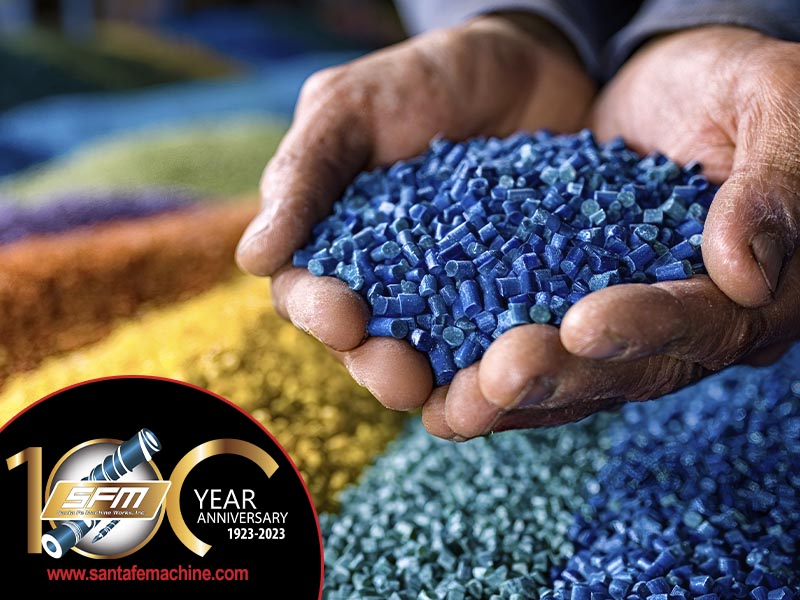
Resin sourcing remains a primary constraint on stable production planning. Global polymer supply remains sensitive to regional energy markets, transportation bottlenecks, and geopolitical events that affect feedstock availability. These disruptions introduce variability in resin lot composition, melt flow index consistency, and additive packages, which can affect process windows. Engineering teams are increasingly required to revalidate tooling and process parameters when substituting resin grades or suppliers. Even nominally equivalent materials can exhibit differences in shrink rate, shear sensitivity, and thermal stability, leading to part warpage, sink, or flash if not addressed through updated mold flow analysis and empirical testing.
Escalating Material Costs and Design Pressure
Rising polymer prices are driving increased scrutiny of part design, wall thickness optimization, and material utilization. Engineers are tasked with reducing resin usage while maintaining mechanical performance, impact resistance, and environmental durability. This often requires advanced simulation, fiber-orientation modeling, and gate-location refinement to avoid structural compromises. High-performance and specialty polymers continue to experience the most pronounced cost escalation due to limited global capacity and specialized compounding requirements. As a result, design engineers are pushed to justify material selection through quantified performance data, lifecycle analysis, and end-use validation rather than historical precedent.
Sustainability Requirements and Process Adaptation
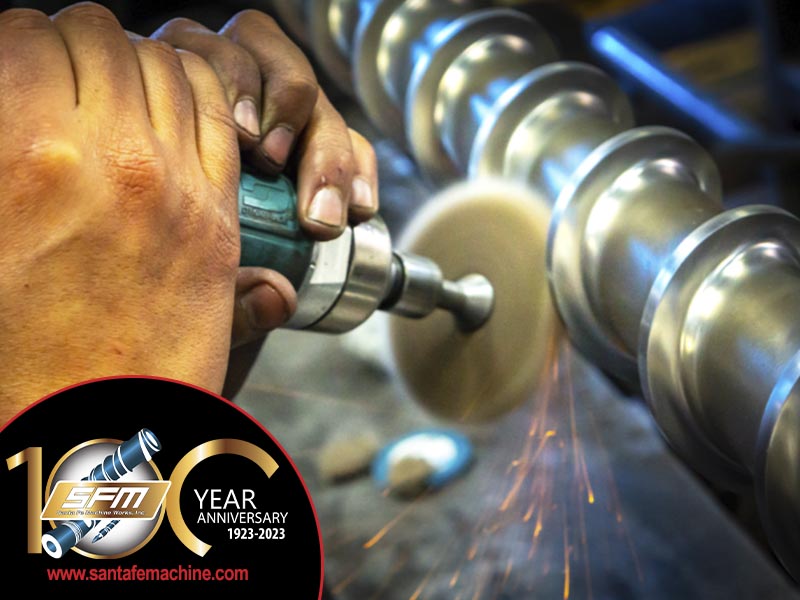
Environmental regulations and customer-driven sustainability mandates are reshaping material selection and process development. Increased use of recycled and bio-based polymers introduces additional variability in moisture content, contamination risk, and thermal degradation behavior. From a processing standpoint, these materials often require tighter control of drying profiles, lower residence times, and enhanced screw design considerations to prevent polymer breakdown. Molders must invest in real-time monitoring of melt temperature, pressure, and viscosity to maintain repeatability when using less predictable feedstock. Tooling strategies are also evolving to support part lightweighting, thinner walls, and integrated functions that reduce downstream assembly and overall material consumption.
Technological Advancements in Equipment and Process Control
Injection molding equipment in 2026 is increasingly being defined by sensor integration, closed-loop control, and data-driven optimization. Advanced machines now provide cavity-level pressure monitoring, adaptive clamping force control, and automated process correction in response to material or environmental variation. While these technologies improve consistency, they also increase the technical demands placed on engineering teams. Process engineers must interpret large data sets, establish statistically valid control limits, and integrate machine data with plant-wide manufacturing execution systems. The ability to translate machine intelligence into actionable process improvements has become a core engineering competency.
Competitive Pressure and Manufacturing Precision
Market competition continues to compress margins while increasing expectations for dimensional accuracy, cosmetic quality, and delivery reliability. Engineering teams are expected to deliver tighter tolerances, reduced scrap rates, and faster cycle times without compromising long-term tool life. This environment emphasizes robust mold design, including optimized cooling channel layouts, high-performance steel selection, and predictive maintenance strategies. Design for Manufacturability (DFM) reviews are no longer optional checkpoints but critical mechanisms for avoiding costly late-stage revisions and unplanned downtime.
Injection molding manufacturing in 2026 demands a higher level of technical rigor across material selection, tooling design, and process control. Engineers must navigate resin variability, cost pressure, sustainability requirements, and advanced automation while maintaining consistent output and quality. Organizations that invest in engineering-driven decision-making, validated data, and adaptive process strategies will be best positioned to maintain production stability in an increasingly complex manufacturing landscape.
How can we help you?
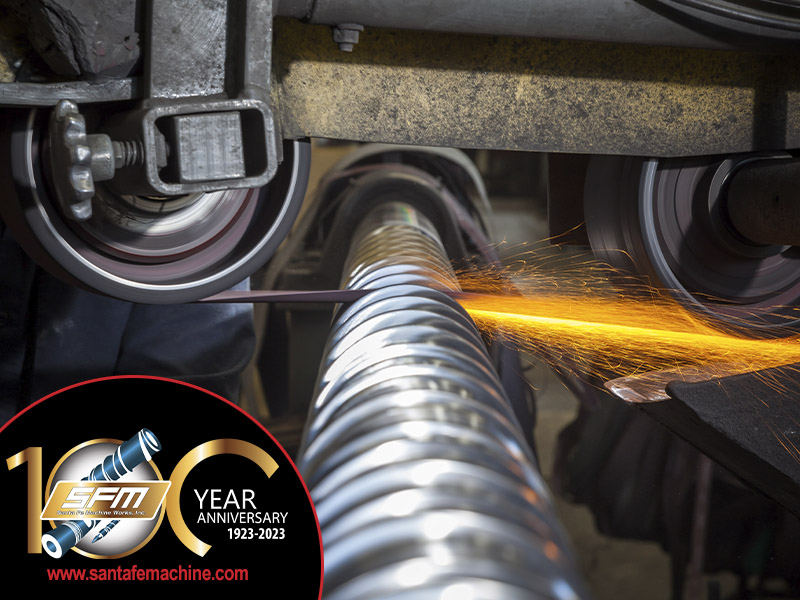
The doors have been open at Santa Fe Machine Works, Inc. since 1923. For the past 45 years, we have been dedicated solely to manufacturing and supplying new and rebuilt Posi-Melt injection screws, injection screws and barrels, extrusion screws and barrels, and valves and end caps to the plastics industry. We also offer custom-tailored screw, barrel, and valve combinations, allowing our customer’s production goals to be met in the best, fastest, and most cost-effective ways possible. Our employees have over 200 years of combined experience in the plastics industry and are eager to support your specific extrusion or injection needs. Have a question, need assistance, or looking for a quote? Contact us today!