Engineering Analysis of Plastic Manufacturing Challenges in Mexico and South America, 2026
So far this year, plastic manufacturing across Mexico and South America has been confronting layered operational pressures where engineering constraints, market dynamics, and regulations intersect. From tariff-driven supply chain disruptions to sustainability mandates and shifting consumer demand, manufacturers are recalibrating processes, materials, and systems to remain competitive.
Tariff Dynamics and Sourcing Engineering
Trade policy changes are reshaping material flows and forcing engineering teams to rethink feedstock strategies. In Mexico, recent protectionist tariffs (including levies as high as 25% on specific import categories) have increased the cost of resin and capital equipment imports, directly affecting production economics and process planning. The engineering implications include:
- Feedstock qualification must account for multiple global suppliers to mitigate cost spikes.
- Process parameter windows become broader and more robust, enabling greater tolerance to variability in polymer quality without sacrificing cycle time or mechanical properties.
Real cost pressures are already visible: Mexico’s plastics sector imports around 70% of its polymers and raw materials, making operations sensitive to trade shifts.
Regulatory and Sustainability Pressures
Governments in the region are tightening sustainability expectations, forcing manufacturers to innovate at the materials and process level, including:
- Chile’s regulatory framework, supported by public-private Clean Production Agreements, has expanded eco-labelling and recyclability standards, driving design changes early in product engineering to meet recyclability targets.
- Colombia’s plastics forum (ColombiaPlast) reports a ~30% increase in recycling rates over the past five years and is now a central regional hub for sustainable plastics innovation.
- In Mexico, harmonization gaps between state and federal environmental regulations complicate efforts to engineer products that comply consistently across jurisdictions.
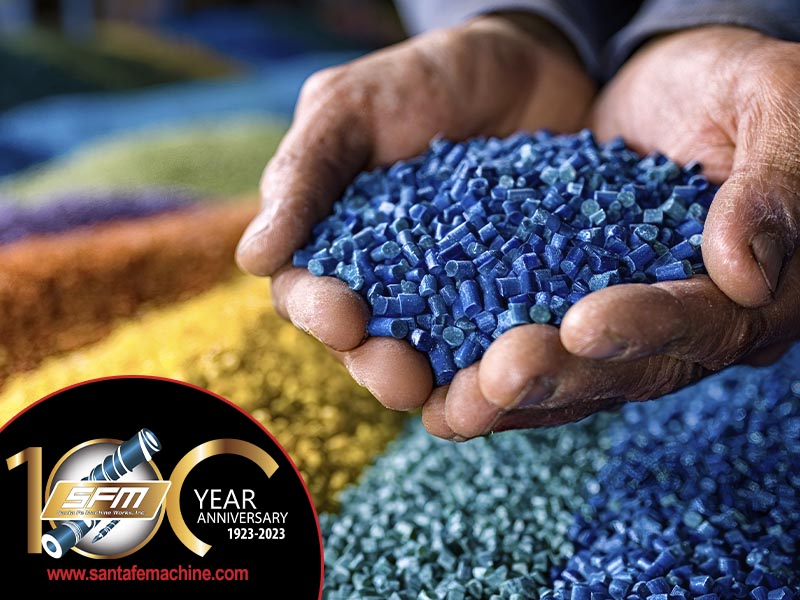
These regulatory drivers are motivating real technical decisions: higher PCR (post-consumer resin) content, chemical compatibilization systems to manage contamination, and process designs that integrate thermal recovery and energy-efficient drives to shrink carbon footprints.
Material Challenges and Engineering Responses
Adopting higher levels of recycled content, mandated by law or customer specification, brings significant engineering challenges, such as:
- Recycled polymer streams often vary in molecular weight distribution and impurity content, which can disrupt consistent melt behavior in extrusion and injection molding.
- Stable mechanical properties (e.g., tensile strength, impact resistance) demand adaptive process control and real-time quality analytics.
- Advanced material solutions, such as compatibilizers, reactive extrusion, or tailored additive packages, are becoming baseline engineering tools rather than optional enhancements.
Supply Chain Resilience and Operational Adaptation
Regional logistics inefficiencies, especially port congestion and unpredictable inland freight connections, continue to affect throughput. In response, engineering groups have shifted toward modular production cells, redundant tooling, and flexible automation architectures that can adapt production lines rapidly when supply delays occur. Real-time digital systems (e.g., digital twins of production and supply chains) enable scenario planning and buffering decisions that mitigate risk.
Regional Industry Examples & Operational Trends
Several regional examples highlight how these pressures are playing out on the ground, including:
- Colombia’s plastics industry shows sustained growth in output and exports (production up by ~7 % year-on-year and strong global demand for raw and finished plastics), even as firms invest in recycling capacity and export diversification.
- Chile’s rapid increase in recycled PET imports (up ~64%) reflects both peak demand for recycled feedstock and gaps in domestic processing capacity.
- Mexico’s PetStar recycling complex, the largest of its kind in the Americas, illustrates how integrating recycling into supply chains can stabilize resin sourcing and reduce reliance on virgin imports.
- Regional packaging suppliers are also innovating: companies across Mexico, Colombia, and Brazil are developing biodegradable films, eco-packaging lines, and recycled product portfolios in response to both consumer and regulatory demand.
Strategic Engineering Imperatives
The engineering priorities for 2026 and beyond coalesce around several themes:
- Multi-source feedstock strategies that validate and standardize performance across variable resin inputs.
- Flexible process architectures that can run with both virgin and high-PCR content resins while minimizing cycle-time penalties.
- Digital quality systems (e.g., machine learning process models, advanced SPC) that reduce scrap and ensure product consistency.
- Energy-efficient plant engineering that lowers carbon intensity and aligns with emerging environmental reporting standards.
Manufacturers that invest in these capabilities, not just as cost centers, but as differentiators, stand a better chance of navigating 2026’s intersecting economic, regulatory, and technological pressures.
How can we help you?
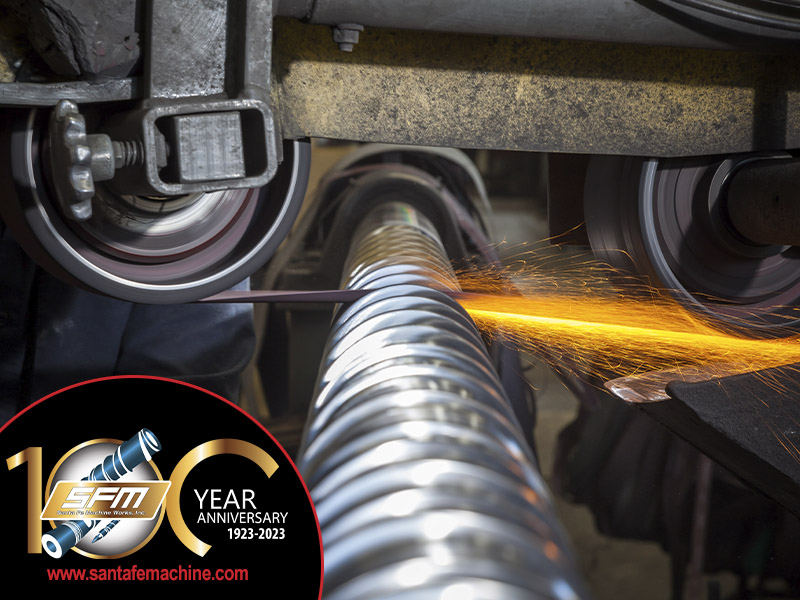
Santa Fe Machine Works, Inc. has been in continuous operation since 1923. For more than 45 years, we have focused exclusively on the design, manufacture, and rebuilding of injection and extrusion screws, barrels, and valves for the plastics industry. This specialization enables the development of custom-engineered screw, barrel, and valve combinations that are precisely matched to material behavior, processing conditions, and production objectives. Each solution is built to improve throughput stability, extend component life, and reduce unplanned downtime across both injection molding and extrusion operations. Our team brings more than 200 years of combined experience in plastics processing, metallurgy, and the design of wear-resistant components. That depth of expertise supports practical, application-specific recommendations for demanding production environments. For technical questions, application support, or quotation requests, contact Santa Fe Machine Works, Inc. to discuss your injection or extrusion requirements.